How Much Does Foundation Crack Repair Cost in Tyler, Texas?
By David Beres | Published September 21, 2026 | Tyler Foundation Pros
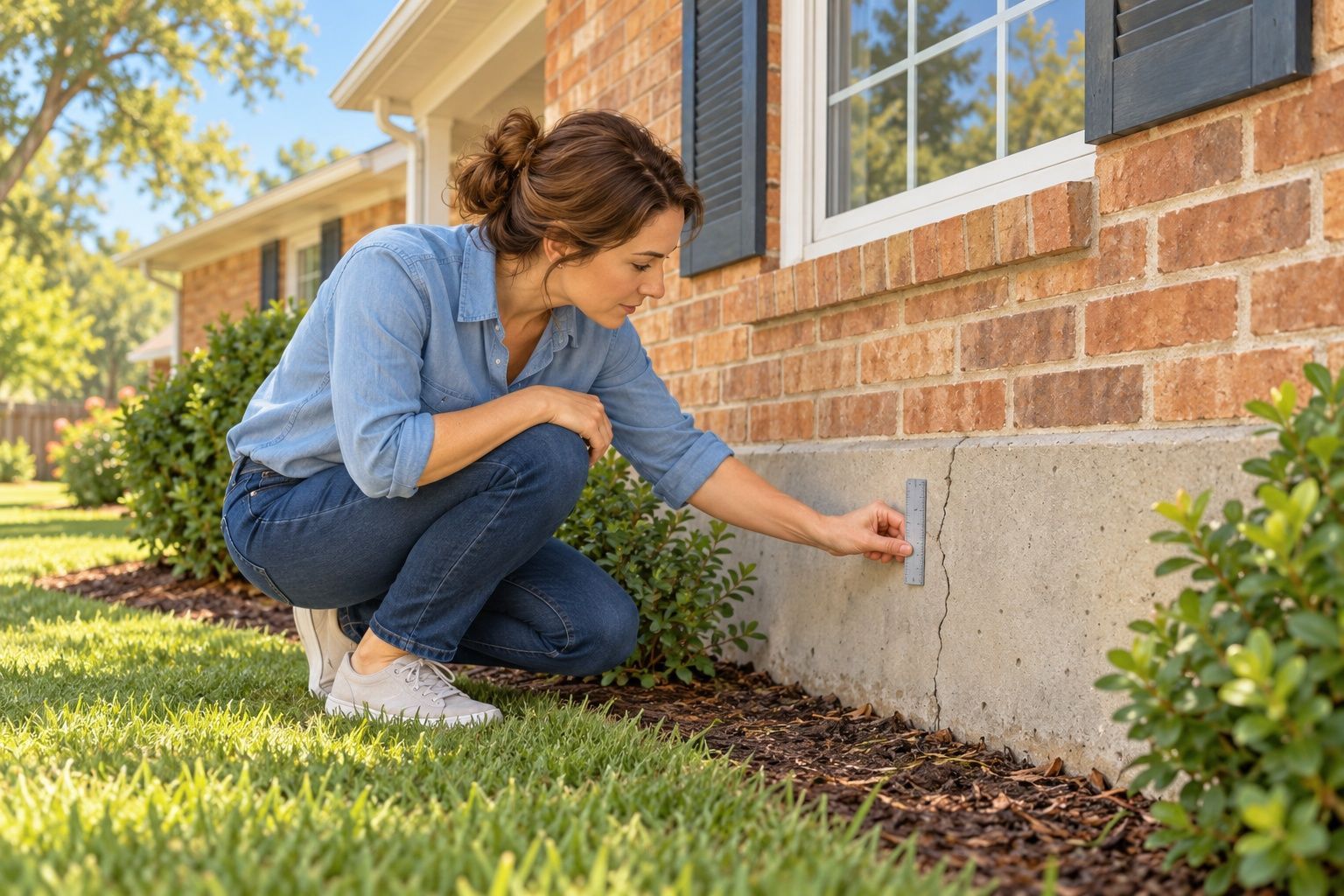
Protect-the-Home Pat walked around the house one morning and saw a crack near the foundation. Pat’s first thought was simple. “How much will this cost?” Many Tyler homeowners ask the same thing.
The honest answer is that the price can be a few hundred dollars or many thousands. A small crack may only need sealing. A crack caused by foundation movement may need support under the home.
Quick answer: If work stays limited to the crack, the cost may be about $200 to $2,500 in Tyler. If foundation movement caused the crack, the total may rise to $3,300, $7,000, or much more. The cause—not just the crack’s size—sets the repair plan and price.
Foundation Crack Repair Costs in Tyler: A Quick Look
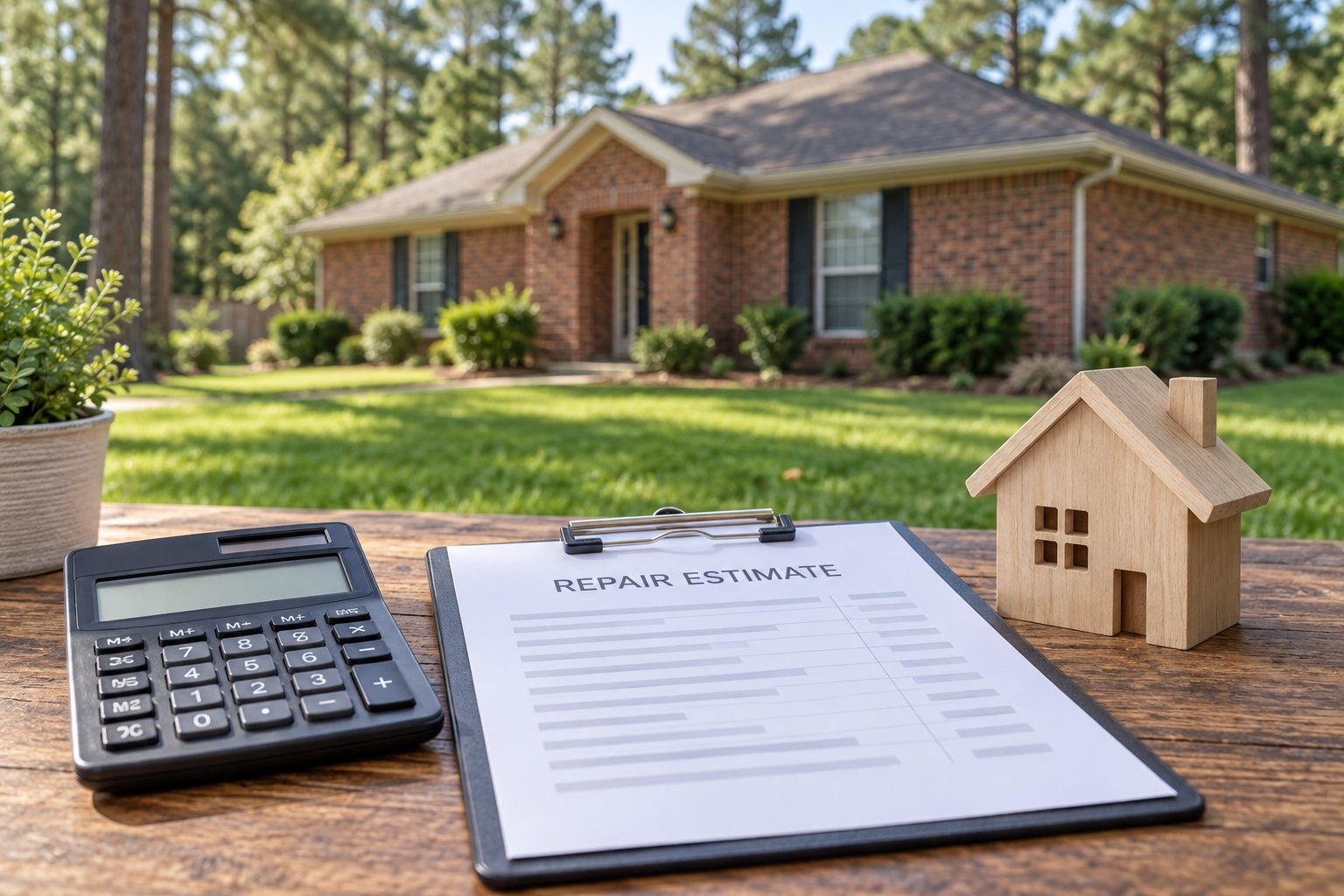
The chart below gives planning ranges. It is not a quote. A contractor must see the home before giving a firm price.
What may be happening Possible work Planning range
A small, stable surface crack Sealing or crack injection $200–$900
A larger crack or water leak Epoxy or polyurethane repair $800–$2,500
Movement in part of the home Limited leveling or added support $3,300–$7,000
Wider movement or several weak areas Multiple piers or more leveling $8,000–$15,000+
How the ranges were built: Angi’s August 2026 guide says foundation repair costs “average $2,225 to $8,133.” Angi cost guide: A Texas-focused report says, “Most moderate repairs cost $3,300 to $7,000.” Texas cost report: A Tyler cost page lists crack repair at about $200 to $900 and full underpinning at $4,000 to $26,700. Tyler cost guide: These are useful starting points, but they are not a local bid or promise.
Why Can the Price Change So Much?
A crack may be the problem—or only a clue
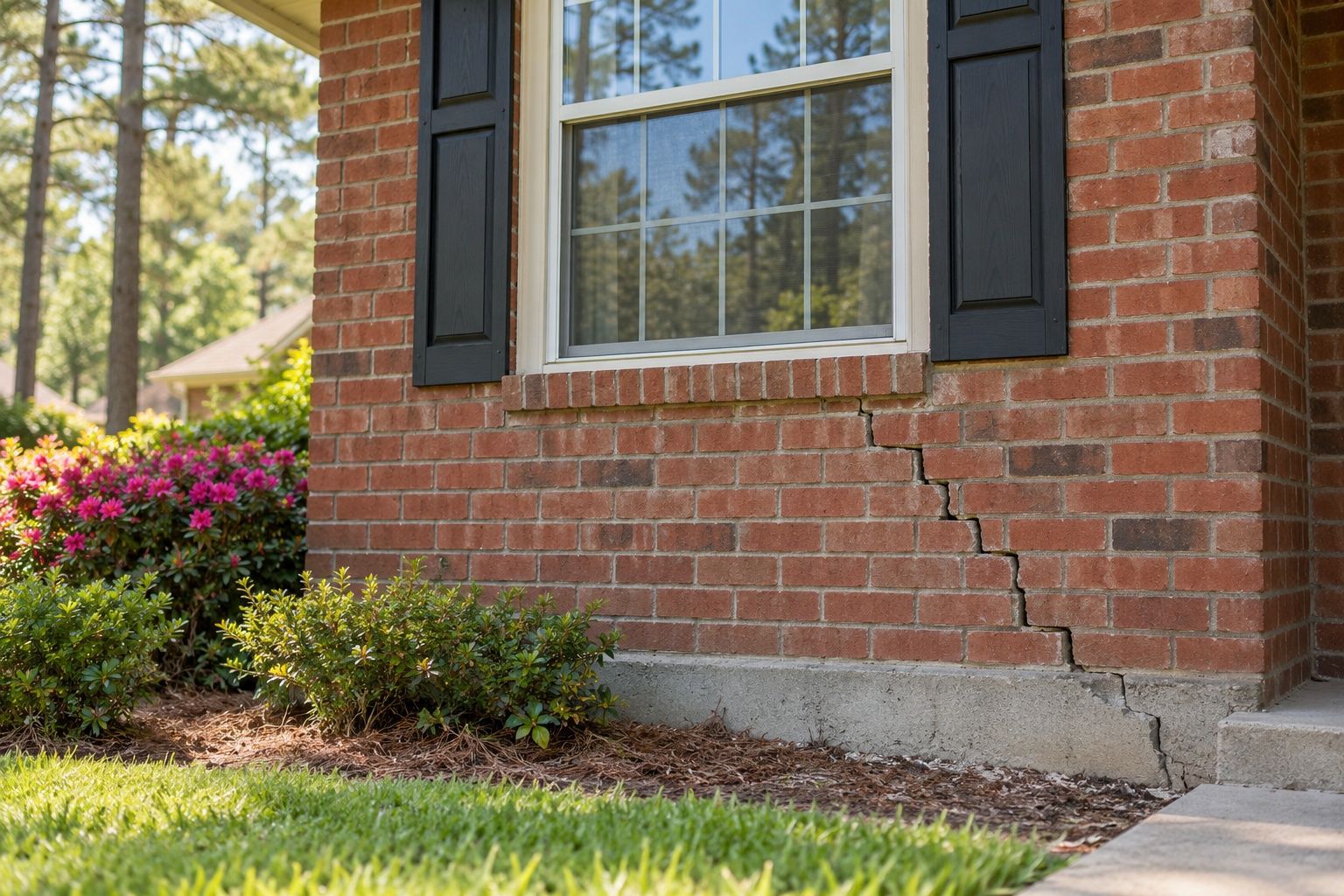
Two cracks can look much the same. Yet one may come from normal shrinkage. The other may show that one part of the home has moved.
Sealing the first crack may be enough. Sealing the second crack may hide the sign but leave the cause in place. That is why a price given from one photo can be risky.
The repair method changes the price
A surface seal uses less time and material. Epoxy or polyurethane injection costs more. Piers, leveling, or beam work can cost far more. The crew must support part of the home.
Angi reports that simple masonry patches and sealants average about $500. It says epoxy crack injection can rise above $2,000. The right method depends on the cause. It should not be chosen by price alone.
What may be included in an estimate?
A clear estimate should state what the crew will do. It may include labor, repair material, digging, supports, lifting, cleanup, and a written warranty.
Ask whether the price also covers a permit, a plumbing test, or work inside the home. Ask who will repair cut concrete, damaged plants, drywall, brick, tile, or flooring
Extra work can change the total
The crack may not be the only issue. A plumbing leak, poor drainage, wet soil, damaged wood, or a weak beam can add work. An engineer’s report may also add a separate fee.
Pat’s rule is simple: compare the full job, not only the last number on the page. A low price can grow if key items were left out.
Is the Crack Cosmetic or a Sign of Foundation Movement?
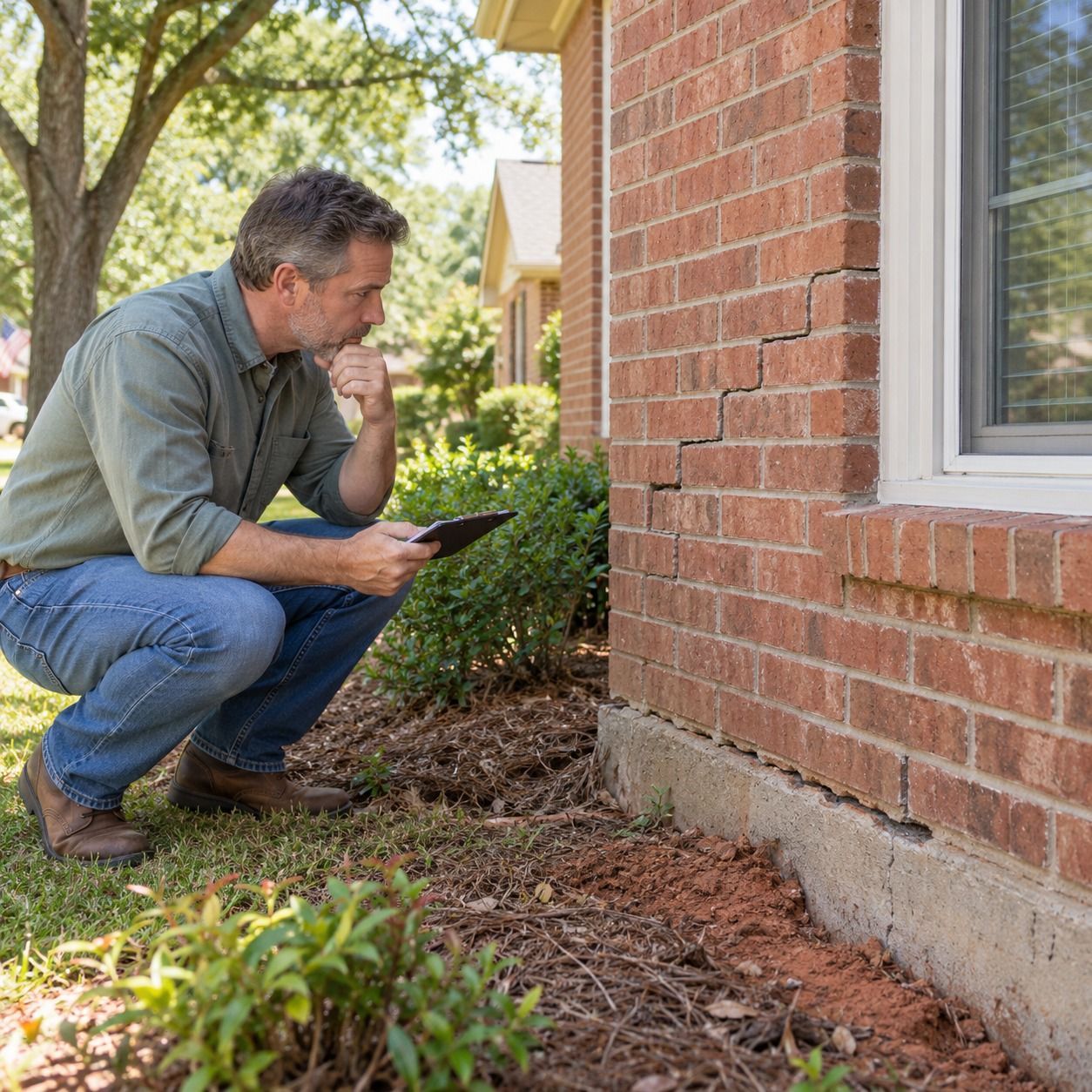
No website can answer this question from one close photo. The direction, width, place, and age of the crack all matter. Other signs in the home matter too.
Cracks that may be less serious
A very thin crack may come from concrete or drywall drying and shrinking. It may be less troubling if it stays the same and no other signs appear.
Still, “small” does not always mean “safe.” Take a dated photo. Watch for change, water, or a new gap.
Signs that need a closer look
Call for a professional review when a crack grows, opens, or comes back after repair. Stair-step cracks in brick, horizontal cracks, or several cracks together also deserve care.
Look for sticking doors, sloped floors, gaps by windows, or a chimney that leans. The American Society of Home Inspectors says a mix of cracks and movement needs professional review. One sign alone may not tell the whole story.
When to act soon?
Do not wait if water is entering, a wall is bowing, or the crack is changing fast. Act soon if you think a pipe under the home has broken. Leave any unsafe area and call a qualified professional if part of the home seems unstable.
Why Local Conditions Matter in Tyler
Homes across Tyler are not all the same. Some homes in the Charnwood and Azalea historic districts date from the late 1800s or early 1900s. Homes in other areas may have a different age and design. Their drainage and repair history may differ too. Think of the Azalea District, Brick Streets District, Charnwood, Donnybrook Duplex, East Ferguson, and Short-Line.
The City of Tyler identifies these six areas as National Register historic districts. These local names make the guide personal. They do not prove that one area has more foundation damage.
Soil can also change from lot to lot. The USDA Web Soil Survey provides soil data for selected properties and areas in Smith County. That is useful because soil texture, drainage, and shrink-swell potential may differ across Tyler. It does not mean every yard has the same soil.
Dry and wet seasons can change the amount of water in the soil. Drainage, tree roots, gutters, grading, and plumbing leaks can also change support under a home. A nearby house may have no problem while Pat’s home does
.
Protect-the-Home Pat’s Five Smart Steps
Take clear photos.
Take one close photo and one wide photo. Add the date. Do not cover the crack before it is reviewed.
Write down other signs.
Note doors that stick, floors that slope, new gaps, water, or plumbing trouble.
Ask for an on-site review.
A photo may help with the first call, but it should not be the full diagnosis.
Get a written scope.
The paper should name the cause, repair method, work area, cleanup, price, and warranty.
Compare the plan, not just the price.
Ask why each repair is needed. Ask what may cost extra. A second opinion can help when plans are very different.
How Tyler Foundation Pros Can Help
You do not have to choose a repair before you understand the problem. Start with a clear review and a written explanation of your choices.
Tyler Foundation Pros does not inspect homes or perform foundation repairs. We help connect local homeowners with an independent foundation pro. That person can look at the warning signs and explain possible next steps.
The professional sets the inspection, repair plan, price, warranty, and schedule. You should review those details before you agree to work.
The bottom line: Do not let one crack push you into panic or a quick sale. Find the cause first. Then compare the full plan, the full price, and the warranty.
Homeowner note: This article gives general education and planning ranges. It is not an engineering opinion, inspection, repair estimate, or safety ruling.
Sources Used
Angi, “How Much Does Foundation Repair Cost? [2026 Data],” updated August 3, 2026.
Angi, “10 Foundation Repair Methods for a Strong Base,” updated July 9, 2026.
Two Brothers Foundation Repair, “How Much Does Foundation Repair Cost in Texas?” updated May 5, 2025.
Home Repair Index, “Foundation Repair Cost in Tyler, TX (2026 Data),” verified August 14, 2026.
USDA Natural Resources Conservation Service, “Web Soil Survey.”
City of Tyler, “Historic Designations and Landmarks.”
City of Tyler, “Strategic Historic Preservation Plan.”
American Society of Home Inspectors, “Basement Cracks and Leaks.”
Ready to work with Tyler Foundation Pros LLC?
Let's connect! We’re here to help.
Send us a message and we’ll be in touch.
Or give us a call today at +1 903 771 7842
Agency Contact Form
More Marketing Tips, Tricks & Tools